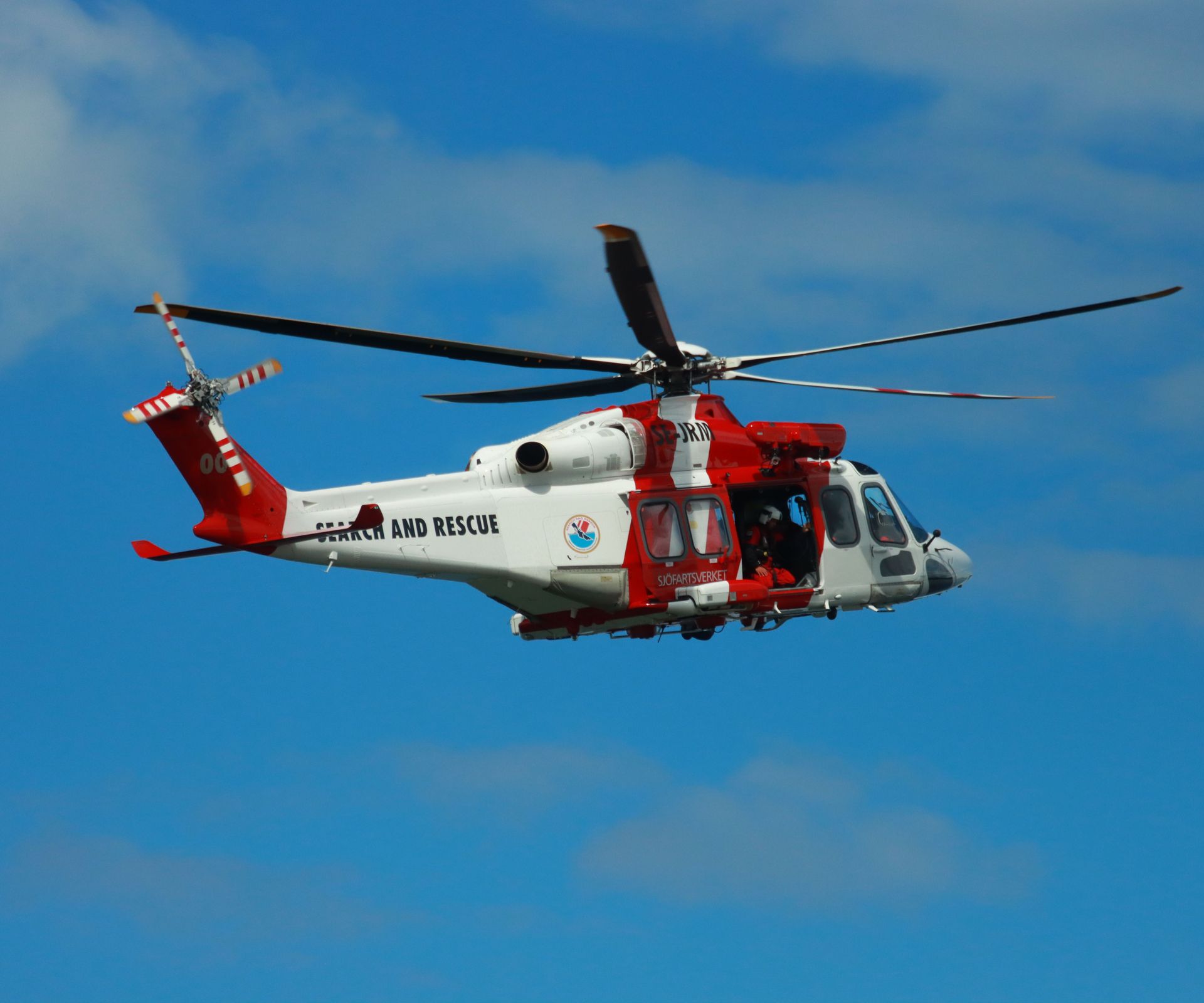
What Is Evacuation Insurance?
Evacuation insurance is a type of coverage that pays for emergency transportation costs when you need to be moved from one location to another due to a medical emergency or other covered crisis. Unlike standard travel insurance, which typically covers trip cancellations and lost luggage, evacuation insurance focuses specifically on getting you out of a dangerous situation safely.
Depending on the policy, evacuation coverage may include medical evacuation to a hospital, repatriation to your home country, natural disaster evacuation, and security evacuations in areas experiencing civil unrest.
How Does Evacuation Insurance Work?
When you purchase an evacuation insurance policy, you pay a premium in exchange for coverage up to a specified limit. If you need to be evacuated, you typically contact the insurance provider's 24/7 emergency line, and they coordinate and pay for the transportation directly.
Many policies work on a coordination basis, meaning the insurer arranges the evacuation and handles logistics rather than simply reimbursing you after the fact. This is important because organizing an emergency medical flight or coordinating with local authorities in a foreign country is complex and time-sensitive.
What Does Evacuation Insurance Cover?
Medical Evacuation
Medical evacuation coverage pays to transport you to the nearest appropriate medical facility when local care is insufficient. If you suffer a serious injury or illness in a remote area or a country with limited medical resources, this coverage ensures you can reach quality care quickly.
Repatriation
Repatriation coverage pays to return you to your home country after a medical emergency. This may include transportation home after initial treatment abroad, or in the worst cases, the return of remains.
Security and Political Evacuation
Some evacuation insurance policies include coverage for non-medical emergencies. If your destination experiences sudden political instability, a coup, or violent civil unrest, this coverage can help fund your evacuation to safety.
Natural Disaster Evacuation
Natural disaster evacuation pays for transportation costs when you need to flee a hurricane, earthquake, flood, or other natural disaster. This is especially valuable for travelers visiting areas prone to extreme weather events.
Who Needs Evacuation Insurance?
Evacuation insurance is particularly valuable for certain types of travelers and situations. Consider it essential if you are traveling to remote or rural areas far from quality medical care, visiting countries with political instability or high crime rates, going on adventure travel activities like hiking, climbing, or expedition travel, traveling to regions with limited medical infrastructure, or taking an international cruise or traveling through multiple countries.
Even travelers visiting seemingly safe destinations benefit from evacuation coverage. Medical emergencies can happen anywhere, and the cost of an emergency medical flight can easily reach $50,000 or more without insurance.
What to Look for in an Evacuation Insurance Policy
Coverage Limits
Look for policies with high coverage limits. Medical evacuation costs vary widely depending on your location and the severity of your condition, but limits of at least $100,000 are generally recommended. Some policies offer unlimited evacuation coverage, which provides the greatest peace of mind.
24/7 Emergency Assistance
Emergencies don't follow business hours. Make sure the policy includes round-the-clock access to an emergency assistance team that can coordinate your evacuation quickly. Look for providers with multilingual support and global networks of medical providers and transport services.
Coordination vs. Reimbursement
Some policies coordinate the evacuation directly, while others require you to pay upfront and seek reimbursement later. Direct coordination policies are generally preferable since you may not have the funds or ability to arrange and pay for an emergency evacuation on your own in the middle of a crisis.
Covered Reasons
Read the fine print to understand exactly what situations trigger coverage. Some policies only cover medical evacuations, while others include security evacuations, natural disasters, and other emergencies. Make sure the policy covers the types of risks most relevant to your travel plans.
How Much Does Evacuation Insurance Cost?
Evacuation insurance is relatively affordable compared to the potential cost it covers. Standalone evacuation policies can cost as little as $50 to $200 per year for an individual, depending on coverage limits and the provider. Many travelers purchase evacuation coverage as part of a comprehensive travel insurance package, which may cost a few percent of the total trip cost.
Annual plans are often a cost-effective option for frequent travelers, providing coverage for multiple trips throughout the year at a single flat rate.
Is Evacuation Insurance the Same as Travel Insurance?
No. Evacuation insurance and travel insurance are related but distinct products. Travel insurance typically includes trip cancellation, trip interruption, travel delay, lost luggage, and some medical coverage. Evacuation insurance specifically covers the cost of emergency transportation.
Some comprehensive travel insurance policies include evacuation coverage as a component, but the limits may be lower than a standalone evacuation policy. If evacuation is a primary concern, it is worth verifying the specific limits and terms rather than assuming your travel insurance provides adequate protection.
Talk to Your Insurance Agent
The right evacuation insurance policy depends on where you travel, how often you travel, and what risks you face. An experienced insurance agent can help you evaluate your options and find coverage that fits your needs and budget. Whether you need a single-trip policy or annual coverage, getting the right protection before you travel is a smart investment in your safety and financial security.